
 English
Content
1. Functional role (safety and practicality)
(1). Safety assurance
Illuminate the path and prevent falls: Garden lights and entrance lights are mainly installed on both sides of trails, paths, and driveways to clearly outline the road boundaries and prevent people from tripping or stepping in the dark, which is especially important for the elderly and children.
Eliminate blind spots and deter crime: Bright entrance lights and garden lights can eliminate dark corners around the house, leaving potential intruders nowhere to hide, and effectively play an anti-theft and deterrent role.
Ensure vehicle driving safety: Lights installed next to the driveway can ensure the safe entry and exit of vehicles and avoid colliding with plants or facilities on the edge.
(2). Provide guidance
Guide sightlines and streamlines: Lights naturally lead people's sight to the entrance, playing a "welcome" guiding role, helping visitors easily find the door
Divide space: Through the layout of lights, different functional areas can be visually divided, such as driving area, walking area, leisure area, etc.
2. Enhance visual appeal
(1). Highlight architectural features
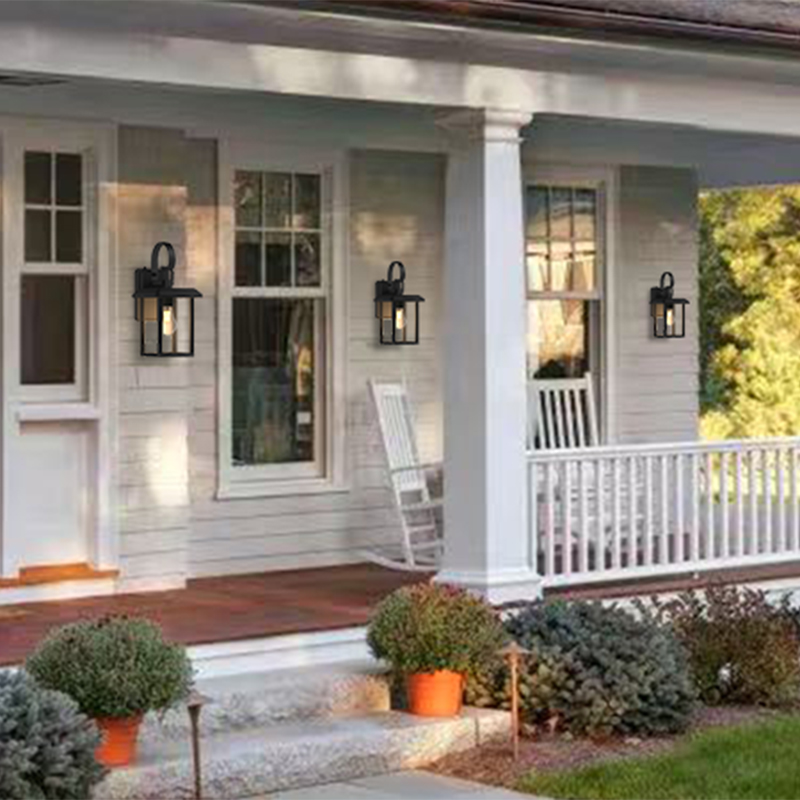
Entrance lights: Usually installed on porches, doorposts or walls, they are themselves an important decorative element. Choosing lighting that matches the architectural style (such as classical, modern, Chinese, and pastoral) can greatly enhance the visual appeal of the entrance and become the "finishing touch" of the building.
Garden lights: Through light projection, the building's facade material, unique structure or porch design can be highlighted, showing a different architectural beauty at night than during the day.
(2). Create atmosphere and mood
Create a sense of warmth: Soft light can instantly create a warm, friendly and welcoming atmosphere for the home, making people feel relaxed and at ease when they return home.
Extend living space: By illuminating outdoor leisure areas such as terraces and balconies, garden lights effectively extend indoor living space to the outdoors, making it possible to entertain, dine or relax outdoors at night.
3. Maintenance of garden and entrance lights
(1) Check the integrity of the lamp
Cracks and damage: Check the lampshade, housing and base for cracks or damage. Even small cracks can allow moisture to enter, causing a short circuit or damage to internal components.
Rust and corrosion: Check for rust, especially on metal parts. Minor rust can be sanded and then repainted with the same color. Severe rust should be replaced to avoid structural instability.
(2) Electrical system inspection
Wiring and interfaces: Regularly check exposed wires for signs of aging, cracking or being gnawed by small animals. Check the sealing and firmness of all wiring points.
Stability: Shake the lamp to check whether it is firmly installed. Loose lamps swaying in the wind can damage the wires and pose a danger.
Professional inspection: If the lamp frequently trips, flickers or does not light up at all, after eliminating the bulb problem, you should contact a professional electrician to check the wiring and driver.
(3) Light source inspection and replacement
Replace in time: Once a bulb burns out, it should be replaced promptly. A lamp that does not light up will ruin the overall lighting design and create a safety blind spot.
Power matching: When replacing a bulb, be sure to use a bulb of the same power and model as the original bulb. Using a bulb with too high a power may cause overheating and pose a fire risk.
LED driver: If an LED light does not light up, sometimes the problem is not with the bulb itself, but with the driver behind it. Professional inspection and replacement are required.
