
 English
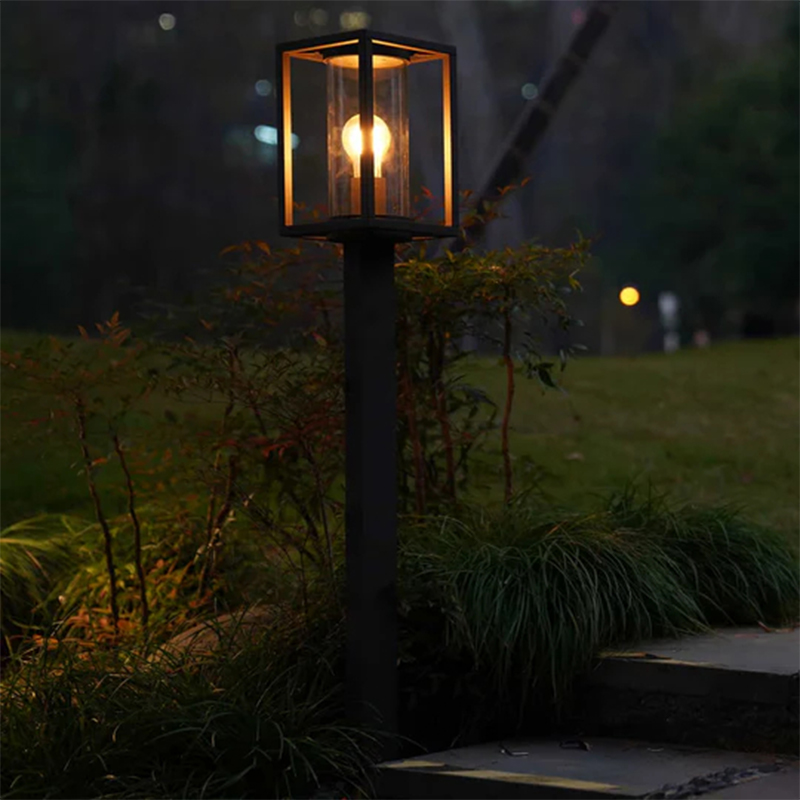
1. Functions of Outdoor Path Lights
Nighttime Guidance:
Illuminating roads, steps, and garden paths to prevent trips and falls due to insufficient light.
Providing basic lighting in parks, residential areas, villa courtyards, and other places facilitates nighttime pedestrian movement.
Enhancing Safety:
Reducing the risk of dark corners and crimes (such as theft and vandalism).
Alerting vehicles to the side of pedestrians, especially suitable for garage entrances and along driveways.
Landscape Decoration:
Using design styles (such as European, Chinese, or modern) to harmonize with the style of the garden enhances the overall aesthetic.
Warm light (below 3000K) creates a warm atmosphere, while cool white light (above 4000K) highlights a modern feel.
Artistic Effect:
Specialized designs (such as starlight lights and hollow projection lights) can project patterns on the ground, adding interest.
Paired with greenery and water features, they create a layered light and shadow effect.
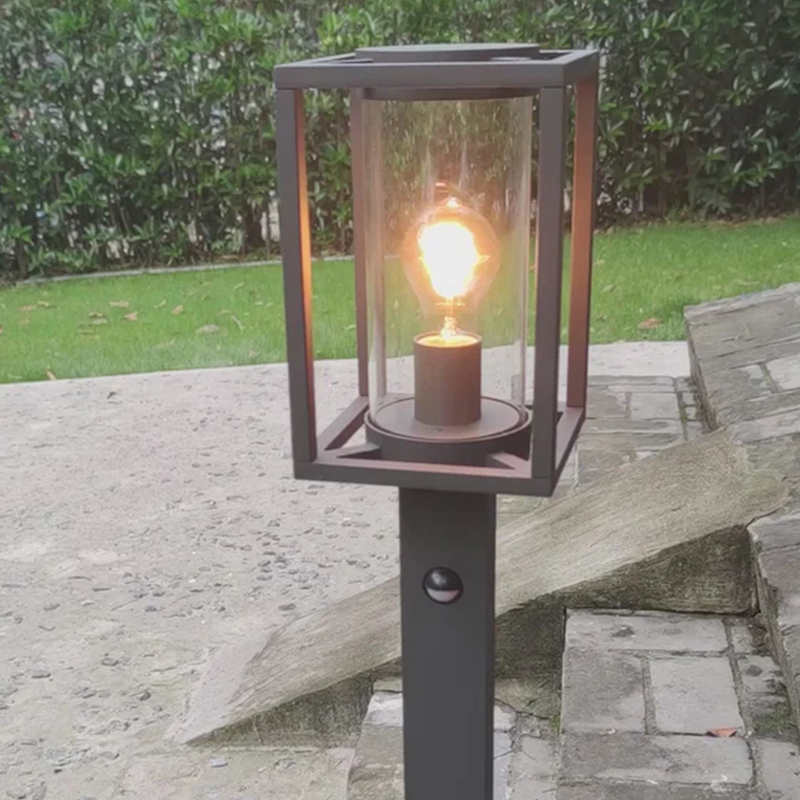
2. Outdoor path light installation specifications
- Pre-Installation Preparation
Lamp Spacing: Determine based on lamp height and illumination requirements (generally 1.5-3 meters apart, lamp height 0.6-1.2 meters).
Light Source Selection:
Main Road: High-brightness white light (4000K or higher, ≥1000 lumens).
Garden Path: Warm yellow light (3000K, 300-800 lumens).
Circuit Design: Solar lamps require no wiring, while traditional lamps require pre-buried cables (RVVP waterproof cable).
Tools and Materials
Required Tools: Electric drill, level, cable cutters, multimeter.
Supplementary Materials: Waterproof junction box, PVC tubing (for underground installation), expansion screws (for wall installation).
- Installation Procedures and Specifications
Underground Luminaires:
Digging a pit ≥30 cm deep (below the frost-resistant soil layer), with 5 cm of gravel at the bottom for drainage.
Built the PVC tubing to protect the cable, and seal both ends of the tubing to prevent moisture. Cast a concrete base (recommended cement: sand: stone ratio = 1:2:3).
Pole-type luminaires:
The base fixing bolts must be vertical and aligned with a level. The exposed bolts should be treated with rustproofing.
Electrical Connections:
Wiring Standards:
Wire stripping length: 1.5 cm. Use waterproof terminal blocks or solder and heat shrink tubing for sealing.
Strictly separate the live (L), neutral (N), and ground (PE) wires (yellow and green for the ground wire).
Waterproofing:
Fill the junction box with waterproof glue, with the wire outlet facing downward.
Apply insulating silicone grease to the solar panel connectors.
Luminaire Mounting:
Height Requirements:
Main Street Lights: 2.5-4 meters (8-12 meters apart).
Garden Path Lights: 0.6-1.2 meters (1.5-3 meters apart).
Angle Adjustment:
The lighting range should cover the width of the path and avoid glare (beam angle 60°-120°).
Special Requirements for Solar Lanterns
The panels must face south (in the Northern Hemisphere), with a tilt angle approximately 15° relative to the local latitude.
There must be no obstructions (shades from trees and buildings may affect charging efficiency).
- Safety and Acceptance Criteria
Electrical Safety
Insulation Resistance Test: ≥10MΩ (measured with a 500V megohmmeter).
Ground Resistance: ≤4Ω (a separate grounding electrode is required for TT systems).
Functional Testing
Light Control Sensor: Automatically illuminates within 10 seconds after being blocked.
Human Sensor: Detection range 3-5 meters, with a 30-60 second delay shutoff.
Environmental Adaptability
Waterproof Rating: IP65 or higher (no water seepage in spray test).
Wind Resistance: ≥8 (column-mounted luminaires require a reinforced foundation).
- Common Problems and Solutions
|
Problem |
Cause |
Solution |
|
Light not lighting |
Incorrect wiring/blocking solar panel |
Check polarity and remove obstructions |
|
Light flickering |
Unstable voltage/poor contact |
Add a voltage stabilizer and reconnect terminals |
|
Uneven lighting coverage |
Incorrect mounting height/angle |
Adjust the light's pitch |
3. Maintenance Guide for Outdoor Path Lights
Daily Maintenance (Weekly/Monthly)
Clean the lamp surface
Wipe the lampshade and solar panel with a soft cloth to remove dust, leaves, and bird droppings (which can affect light transmittance).
Note: Avoid using abrasive cleaners. For solar panels, use water and a neutral detergent.
Check the lighting performance
Observe if the light dims, flickers, or fails, and investigate the cause immediately.
Adjust the lighting angle to avoid direct light hitting windows or causing glare.
Check the mounting structure
Confirm that the screws on the pole and base are not loose to prevent tipping (especially after strong winds).
Check underground lights for water accumulation and clogged drainage holes.
Seasonal Maintenance (Every 3-6 Months)
Electrical System Inspection
Test the waterproof junction box for sealing and replace any worn rubber rings.
Measure voltage stability (to ensure the solar system battery voltage is normal).
Solar System Maintenance
Clean the solar panels and ensure they are clear of obstructions (tree growth may affect light transmission).
Check the battery condition (replace if capacity has dropped by more than 20%).
Mechanical Structure Maintenance
Apply anti-rust oil to metal parts (such as light poles and brackets) to prevent corrosion.
Inspect anchor bolts for rust and replace if necessary.
